Building for the Future: McDonald Electricals’ Role in Harvard’s Treehouse Conference Center
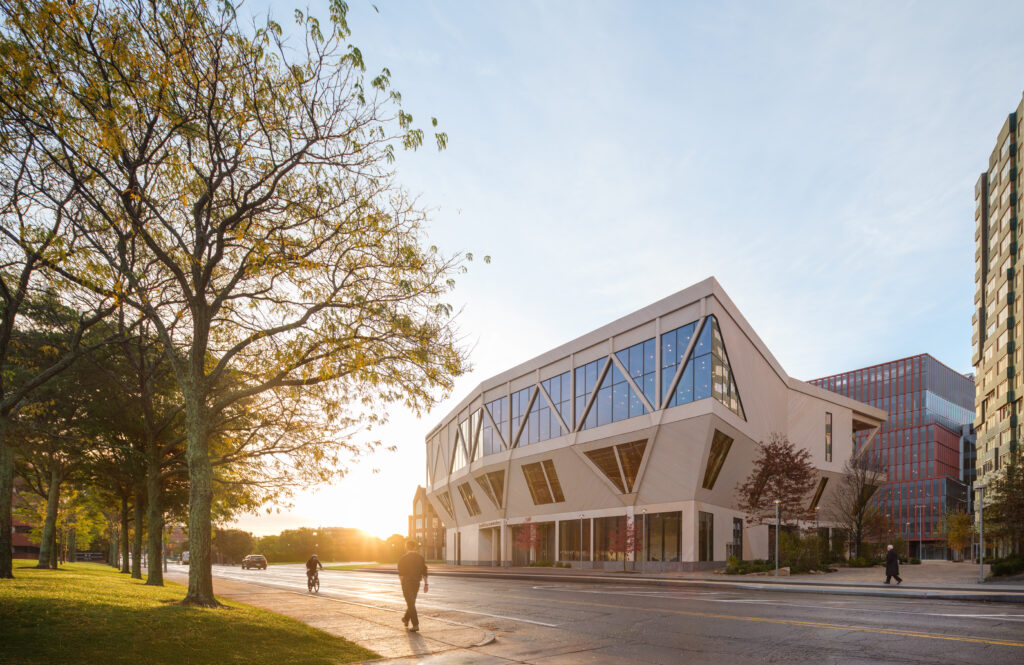
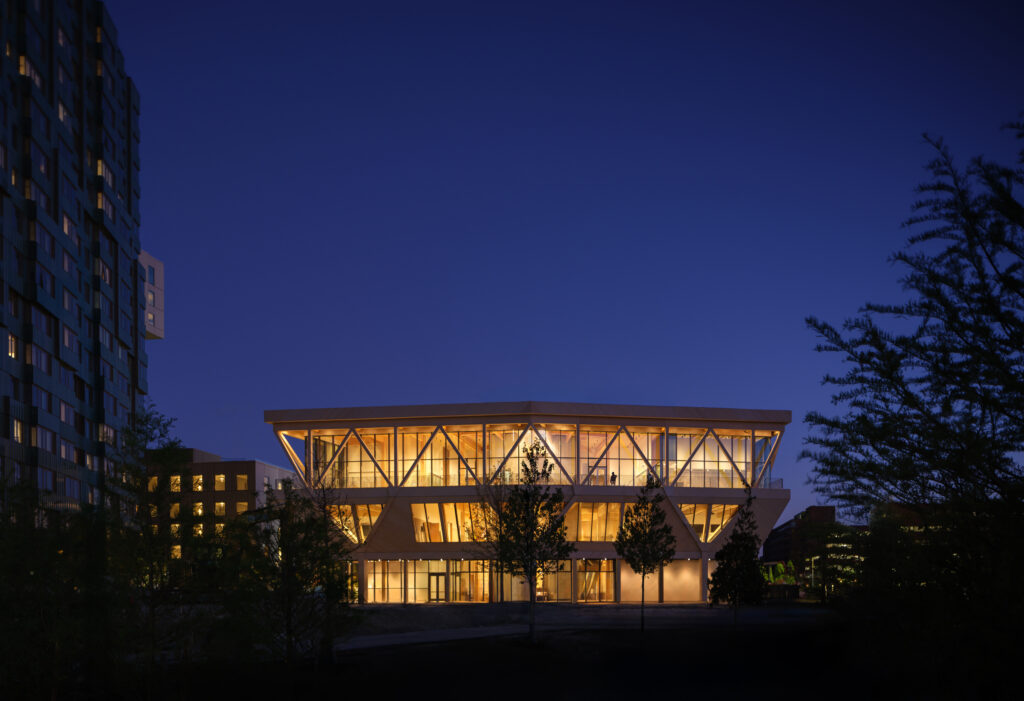
The David Rubenstein Treehouse Conference Center at Harvard University stands as a bold example of what’s possible when sustainability, innovation, and collaboration are placed at the center of design and construction. As the electrical subcontractor on this landmark project, McDonald Electrical was proud to support a facility that not only serves as the main entrance to Harvard’s Research Campus, but also advances some of the most ambitious sustainability goals in higher education today.
A Unique Project with Elevated Standards
Unlike a typical commercial project, the Treehouse is a multi-level event and conference space. From the outset, it demanded a higher level of precision and scrutiny, particularly when it came to electrical systems.
Because of the building’s function and design intent, the standards for wiring methods and materials exceeded what is typically required. Every installation detail was carefully evaluated to ensure it aligned with Harvard’s sustainability commitments and the building’s long-term performance goals.
Meeting the Living Building Challenge
The Treehouse was developed to serve as a pilot project to Harvard’s Sustainable Building Standards (SBS). This initiative targeted core certification from Living Building Challenge (LBC), one of the most rigorous sustainability frameworks in the built environment. LBC Core is a performance-based, sustainable building certification that is holistic in its focus across climate, health and community outcomes. The goal: construct a facility using the most environmentally responsible materials and methods available, while delivering a state-of-the-art conference center.
For McDonald Electrical, this meant rethinking traditional approaches. Many alternative materials required by the LBC were not readily available or came with unique installation requirements. That reality demanded extensive upfront planning, deeper coordination, and a heightened focus on efficiency to keep the project moving forward without compromising sustainability standards.
Sustainability Influencing Every Decision
One of the most significant sustainability-driven challenges involved materials selection. PVC—commonly found in many electrical components—was prohibited under the Living Building Challenge criteria. This required the team to review every product specified for installation to ensure compliance.
This level of material vetting is not common on most projects, but it was essential here. The result was an electrical system that met stringent environmental requirements while maintaining durability, safety, and performance.
Designing Around Mass Timber Construction
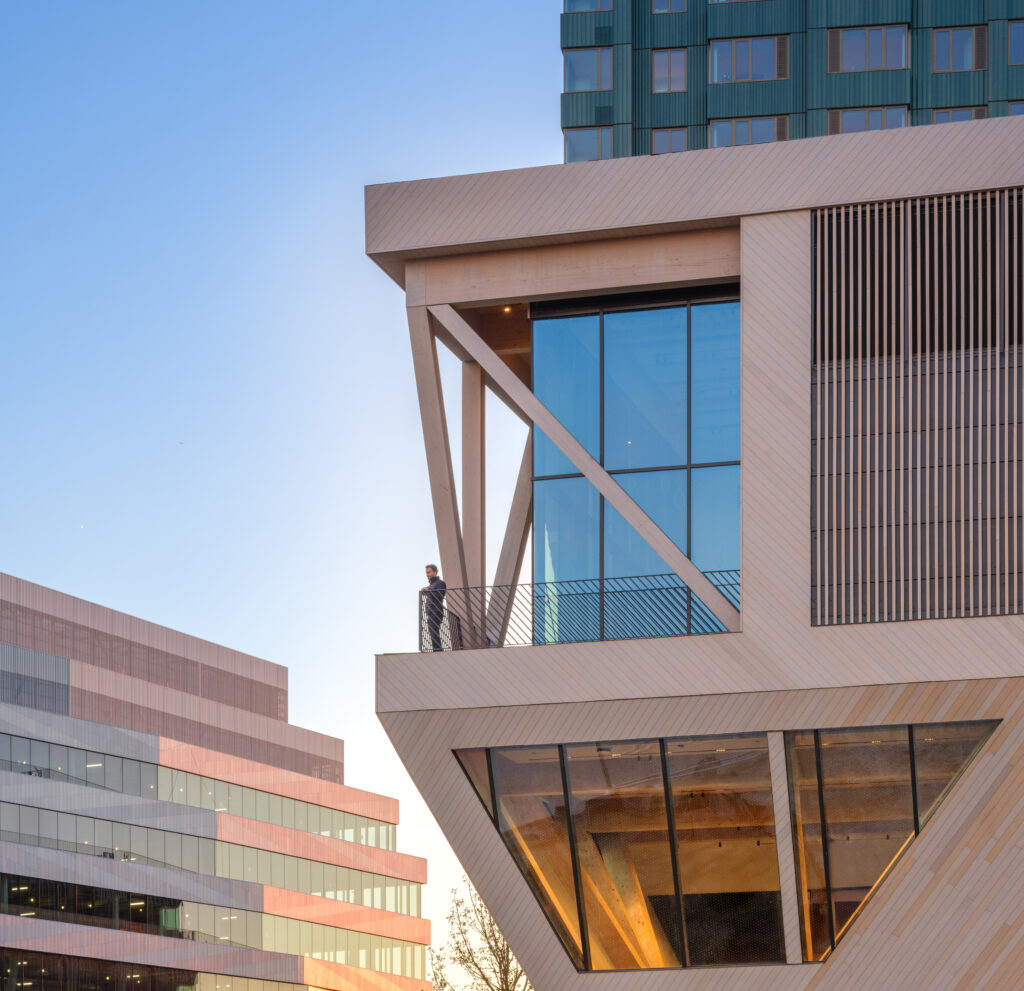
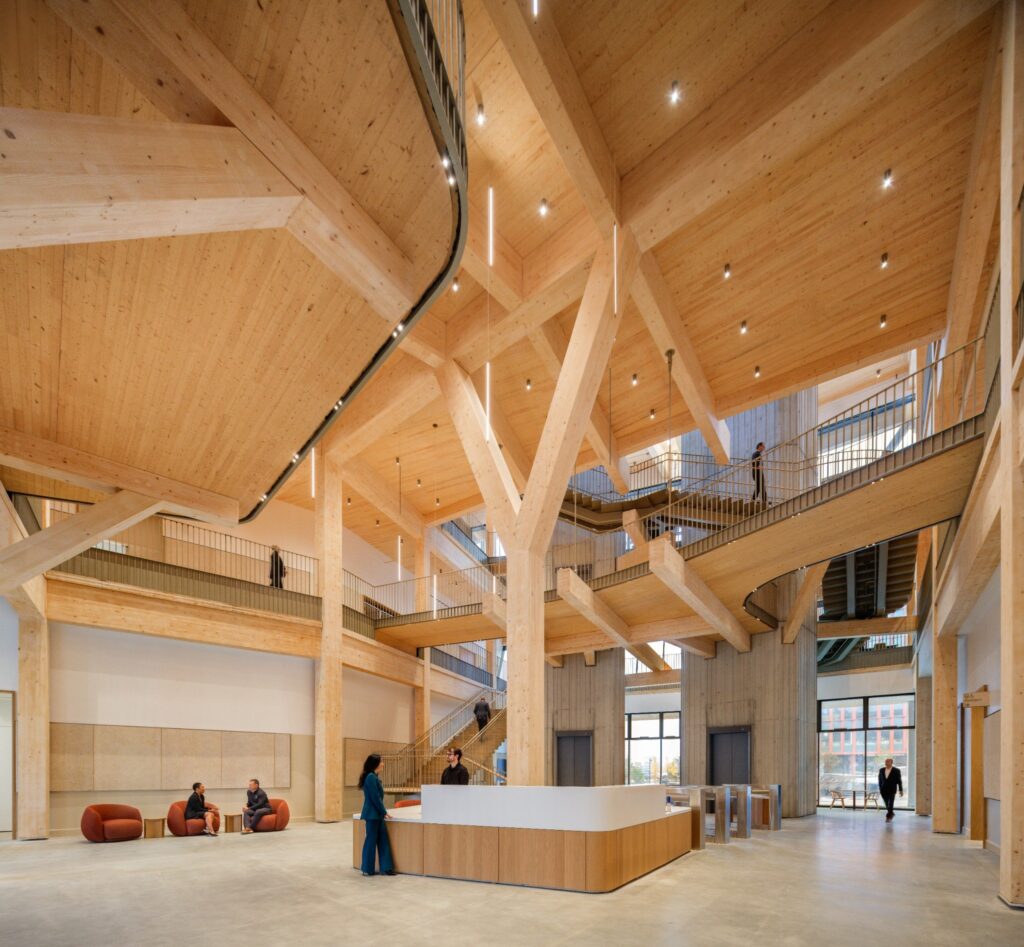
As Harvard’s first mass timber building, the Treehouse introduced another layer of complexity. The prefabricated timber structure meant that every conduit run—regardless of size—had to be fully designed and coordinated in advance. Post-installation was not permitted.
On a conventional project, some flexibility exists to make adjustments in the field. On the Treehouse, that flexibility didn’t exist. Every penetration location had to be correct the first time, making detailed coordination drawings and early decision-making critical to success.
Overcoming Challenges Through Planning and Precision
Meeting both sustainability and performance requirements came with challenges, particularly during the submittal and procurement phases. Product approvals took longer than usual due to the strict criteria, and lead times required careful forecasting.
Being proactive was essential. Staying ahead on approvals ensured materials arrived on site when needed, helping the project avoid costly delays.
Construction sequencing also differed from standard practice. With electrical systems routed through raised floors, the team had to adjust their installation approach—working in a more top-down method rather than the traditional bottom-up process once floors are fully built.
Collaboration as a Key to Success
Strong collaboration across teams played a major role in the project’s success. McDonald Electricals’ internal CADD team was instrumental in translating complex requirements into clear, accurate drawings that identified dedicated electrical zones and required clearances.
That level of detail made field coordination smoother, supported the foreman in execution, and allowed conflicts with other trades to be identified and resolved quickly minimizing disruptions and keeping the project on track.
A Reflection of McDonald Electricals’ Values
Projects like the Harvard Treehouse reflect McDonald Electricals’ commitment to innovation, craftsmanship, and sustainable construction. This was a job that challenged conventional thinking, required adaptability, and pushed the team to expand its technical knowledge.
The end result is a visually stunning, high-performing facility that aligns environmental responsibility with architectural excellence—something the entire team takes great pride in being part of.
The knowledge gained on this project will carry forward to future work, strengthening McDonald Electricals’ ability to deliver sustainable, high-performance electrical systems across a wide range of complex environments.
Learn more about the Harvard Treehouse Project Scope